Abdominal-adductal syndrome
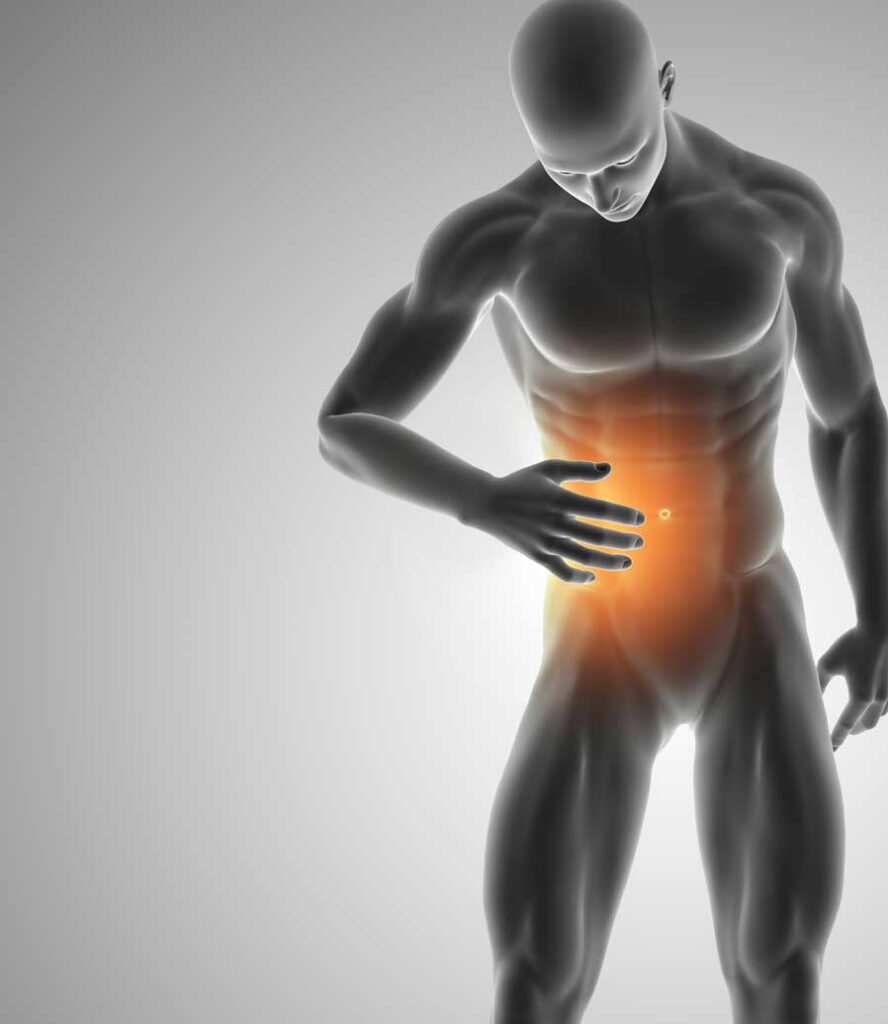
Abdominal-adductor syndrome is a fairly common condition that usually occurs in athletes. It is often referred to in the literature as an athlete’s hernia, and the main characteristic of the condition is pain in the groin and pubic symphysis. The anatomy of the area is what allows the appearance of this syndrome, since in the […]
Sciatica
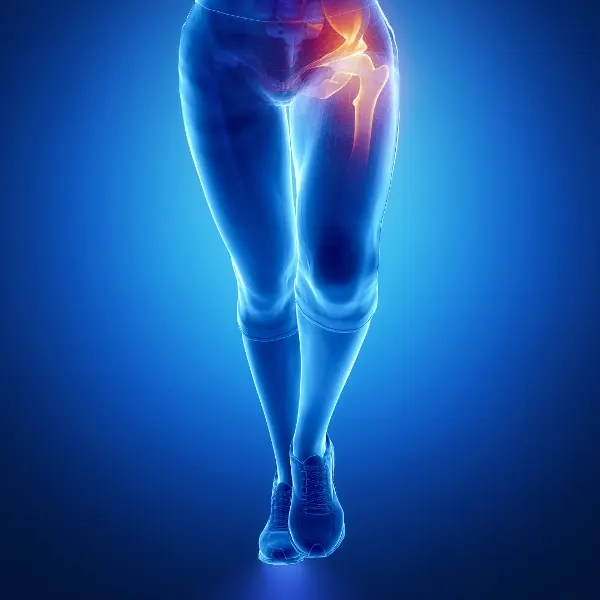
Sciatica describes pain that radiates down the leg, often associated with other symptoms such as weakness, numbness and tingling. Disc herniations that cause inflammation and/or compression of the sciatic nerve roots are the most common cause of sciatica. (Patients should be referred to emergency care for bladder/bowel dysfunction, suggestive of Cauda Equina syndrome). The vast […]
Patellar chondropathy
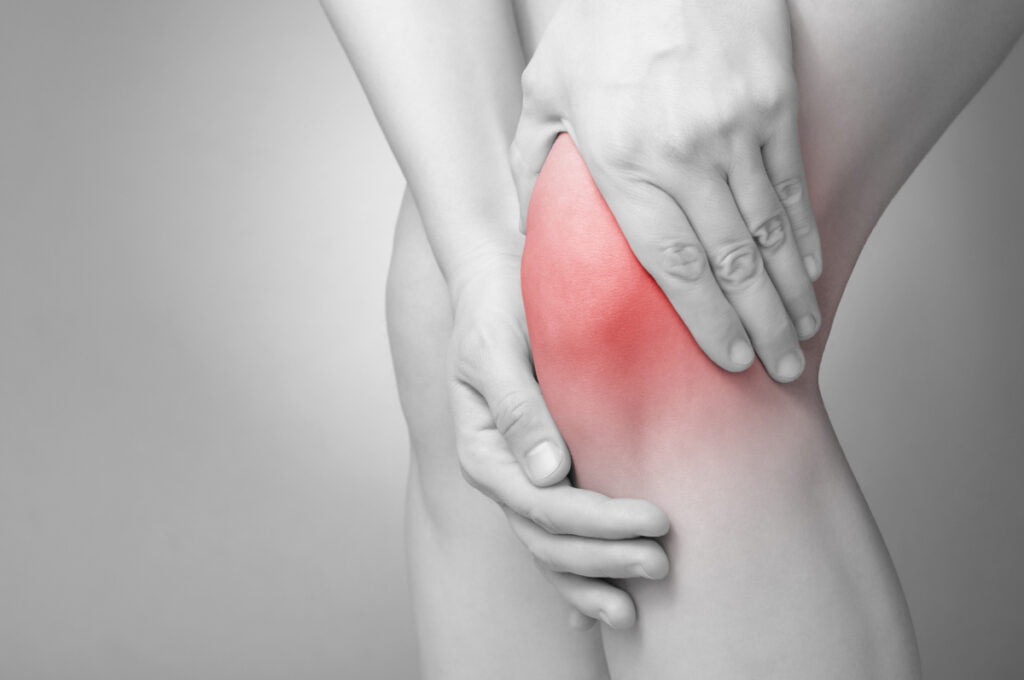
Patella chondropathy is a common painful condition of the knees that mainly affects the cartilage of the patella and secondarily the cartilage of the femoral trochlea. Today, the term patellar chondropathy is no longer used and has been replaced by the terms anterior knee pain, patellofemoral joint syndrome, and patellofemoral overload syndrome. The patella is […]
Knee osteoarthritis
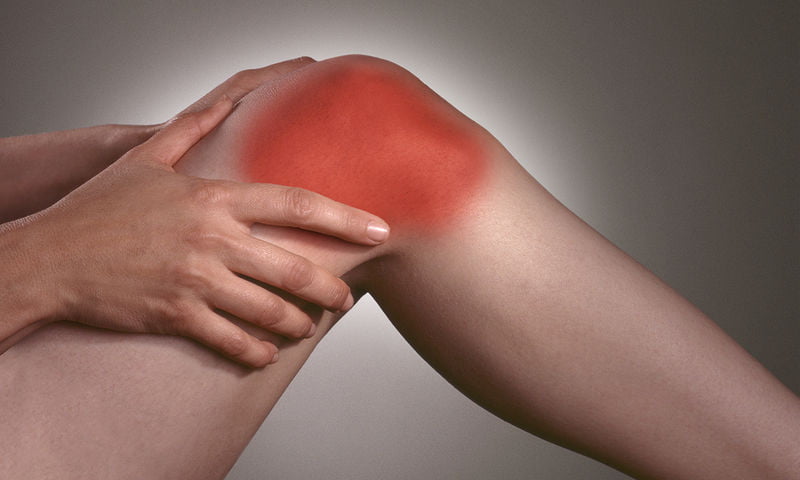
Osteoarthritis (OA) is the most common form of joint damage. It is chronic, irreversible and its form ranges from mild to very severe. It is characterized by the gradual destruction and degeneration of the cartilage and then the bone of the joint leading to pain, stiffness, swelling and finally loss of mobility. Normal joints contain […]
Meniscus tear
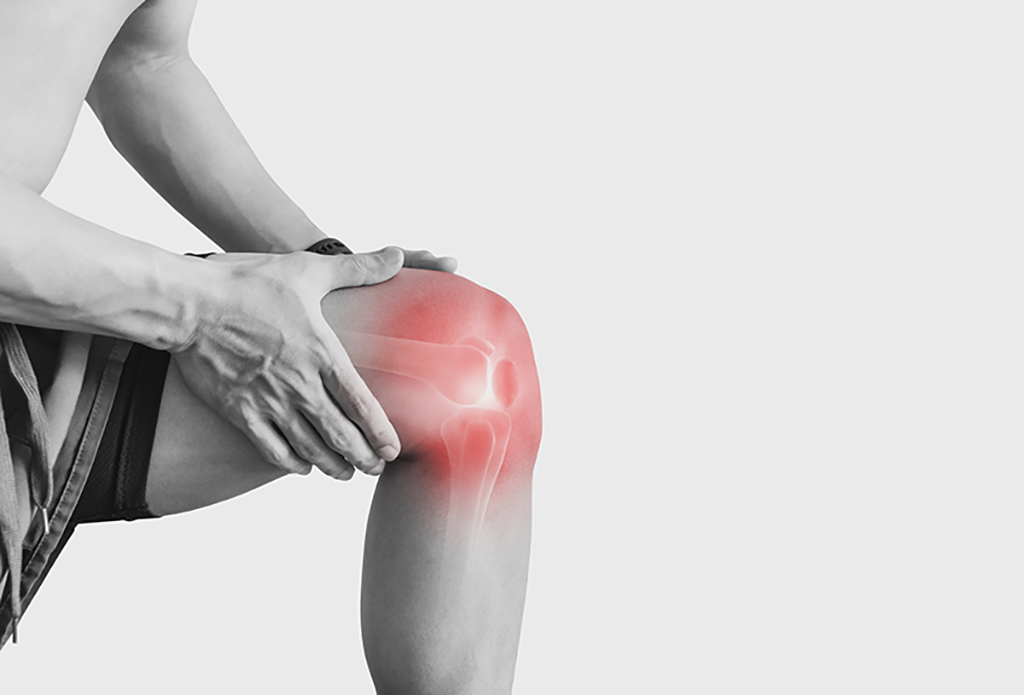
A meniscus tear is one of the most common sports injuries, but many times it is also a knee injury that is also found in non-athletes. Each knee consists of two fibrocartilaginous elastic structures that look like two crescents and which are inserted between the surfaces of the two articulating bones, the femur and the […]
Interlateral Ligament Rupture
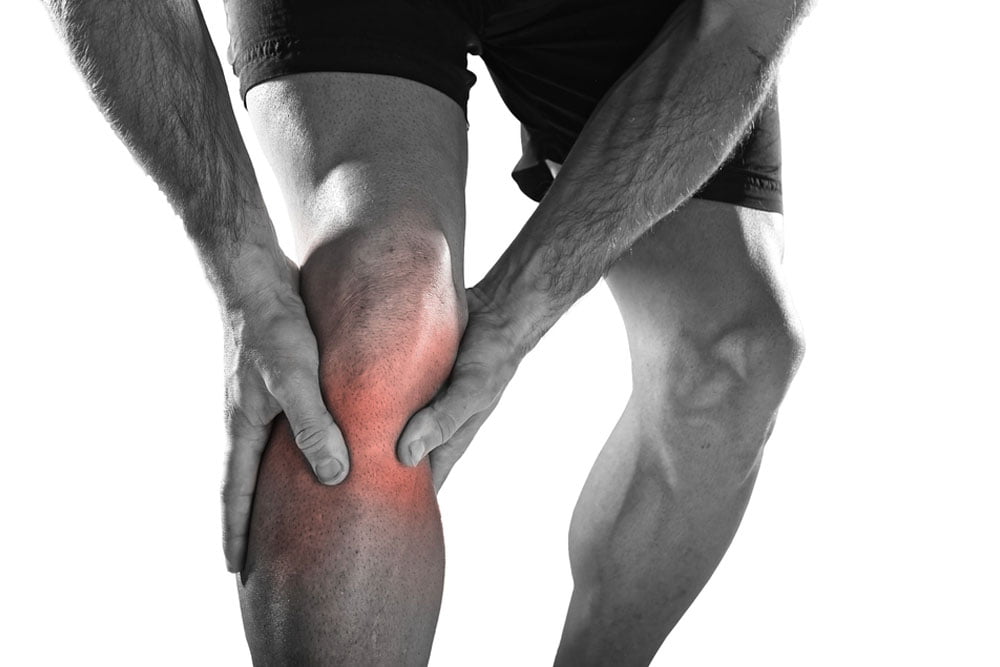
The medial collateral ligament is one of the most important ligaments for the stability of the knee, since it strengthens the medial side of the knee, intercepting the forces that tend to cause deformity in valgus. If the forces that displace the leg outwards exceed the force that the medial collateral ligament can resist, then […]